A two-seat roadster and an open-top SUV promise very different holidays. One is about the road itself; the other is about what you can bring and where you can go. Both work in Tenerife, and choosing between them is less about taste than about honestly describing your trip: how many of you there are, how much luggage you have, and which roads you actually intend to drive.
The two-seat roadster: pure driving
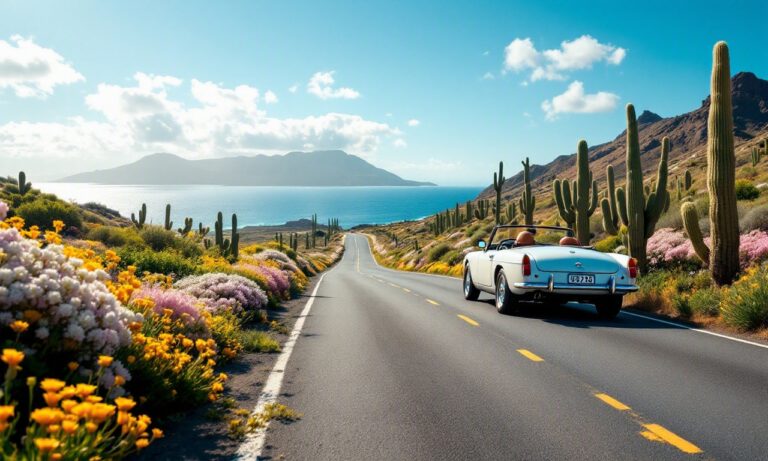
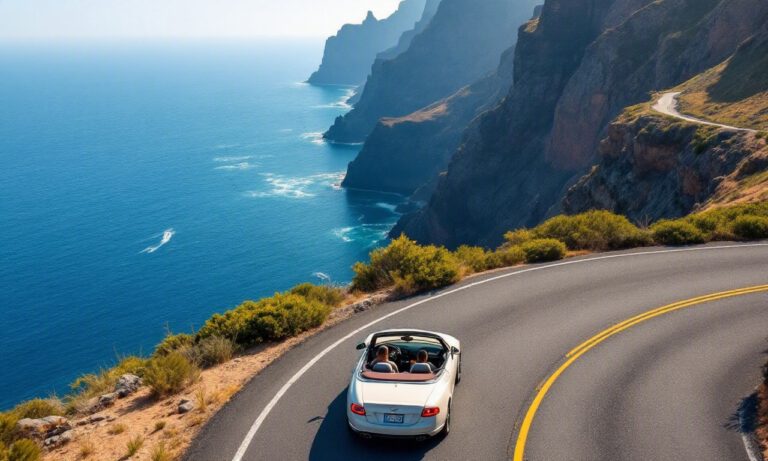
A roadster is the undiluted version of open-top driving. Cars like the Mazda MX-5 or the Mercedes-Benz SLK are small, light and low, which is exactly what mountain roads reward. On the descent to Masca, or along the ridges of Anaga, a compact car changes the experience entirely: the corners are comfortable rather than tense, passing places are easy, and you place the car precisely instead of negotiating with it.
Sitting low also changes what you feel. You are closer to the road surface, the sense of speed is stronger at entirely legal speeds, and the transition from shade to sun registers on your skin. For anyone whose reason for renting a convertible is the driving rather than the transport, this is the category that delivers it.
The trade-off is capacity, and it is absolute. Two seats means two people, and boot space in a compact roadster is modest before you consider that a folding roof usually takes some of it. A weekend bag each is realistic; two large suitcases are not. If you are a couple travelling light, this is the best car on the island. If you are not, it is the wrong one.
The convertible SUV: space and range
The open-top crossover solves the practical problem without giving up the roof. A Volkswagen T-Roc Cabriolet seats four, offers a higher driving position and a usable boot, and still folds its roof away completely. The raised seating is a genuine advantage on coastal roads, where a little extra height means seeing over barriers and walls that would otherwise block the view from a low car.
At the more capable end, a Jeep Wrangler 4XE offers open-air driving with real off-tarmac ability and space for five, which suits people planning rough tracks, surf gear or simply a lot of luggage. It is a different sort of pleasure from a roadster, more expedition than sports car, and it handles the island’s steeper unsurfaced roads without drama.
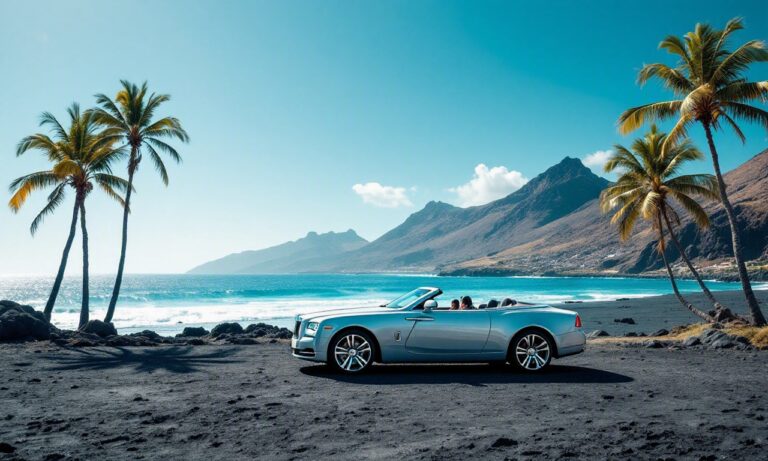
Between these poles sit the four-seat cabriolets, and for many visitors they are the sensible answer. An Audi A5, a BMW 3 Series, a Mercedes E-Class or one of the Mustangs gives you four seats, a proper boot and comfortable long-distance manners, while still being a convertible in every sense that matters. They are the cars people choose when they want the roof down for a fortnight rather than an afternoon.
Roads, luggage and passengers
Start with passengers, because the number is not negotiable. Two seats or four is the first filter, and it eliminates most of the confusion immediately. Note also that a four-seat cabriolet is genuinely comfortable for two adults in the back on short journeys but tighter over a long day, so four adults on a full-day mountain route should look at the larger cars rather than the compact ones.
Then luggage, and be honest about it. Folding roofs consume boot space, and the figure quoted for a car with the roof up is not the figure you get with it down. If you are arriving with a full week of luggage for four people, you want a larger vehicle, and if you are determined to have a small convertible anyway, plan to travel with the roof up on transfer days and down on driving days.
Finally the roads. If your plans are mostly coastal cruising and resort-to-restaurant driving, almost anything works and comfort should decide. If you intend to drive Masca, Anaga or the narrow lanes above the north coast, smaller is better and you will enjoy the day considerably more in a compact car. If you are heading for unsurfaced tracks or high mountain parking in winter conditions, the case for a 4×4 becomes practical rather than aesthetic.
How to decide
Answer three questions in order. How many people are travelling. How much luggage is arriving with them. And what proportion of your driving is mountain roads rather than coast. Those three answers narrow the choice to one or two cars almost every time, and they are far more reliable than choosing on appearance alone.
A couple travelling light and planning to drive for the sake of driving should take the roadster. A family of four with suitcases should take a four-seat cabriolet or an open-top crossover. Anyone with five people, serious luggage or rough tracks in the plan should take the Wrangler or a larger vehicle and accept that the roof is a bonus rather than the whole point.
If you are still undecided, describe the trip to us rather than asking which car is best in the abstract. Tell us the number of passengers, the luggage, the dates and the sort of driving you have in mind, and we will tell you honestly what fits, including when the answer is a smaller or cheaper car than the one you were considering. Every vehicle’s seats, doors and refundable deposit are listed on its own page, so you can compare the specifics before you decide.